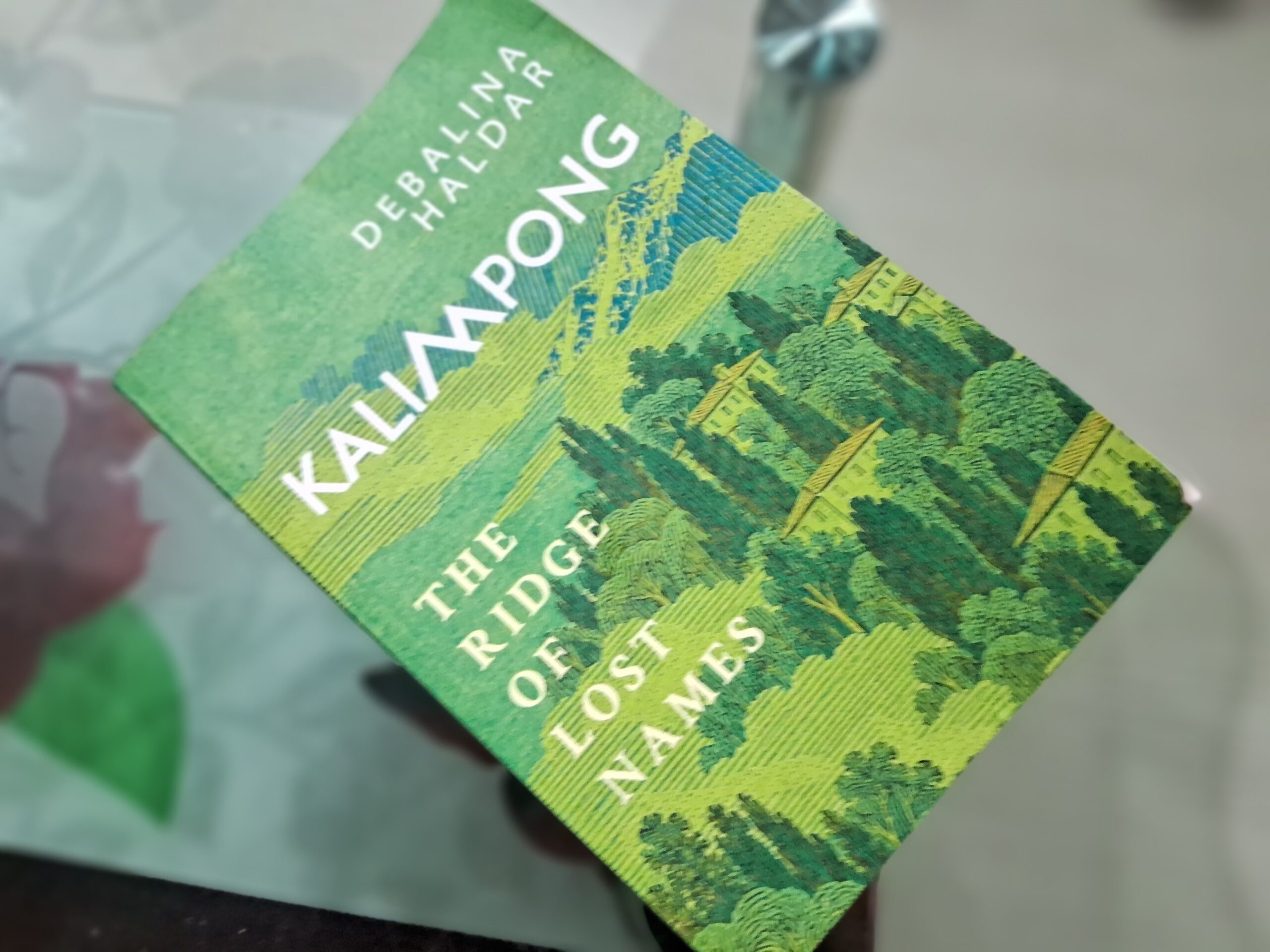
Book: Kalimpong: The Ridge of Lost Names
Author: Debalina Haldar
Pages: 283
Publisher: Readomania
Genre: Literary / Historical fiction
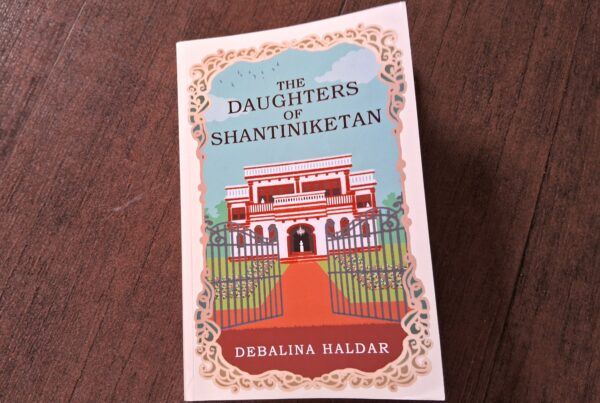
I received a copy of the abovementioned novel from the publisher in exchange for a fair review. Having read and critiqued the previous novel of the author, The Daughters of Shantiniketan, I was quite familiar with her style and technique. While I had my fair share of nitpicks with the former, I was genuinely bowled over by her latest outing.
Plot
Little Pema and Dama are inseparable as friends, leading a carefree and serene life in Tibet. However, the political winds in the 1950s change directions. An act of betrayal, a lifetime of guilt, and a gut-wrenching separation follow. Two decades later, a newlywed married woman arrives in Kalimpong, clutching a bracelet that has two names engraved on it. Will she unlock the key to the tumultuous past? Does the future hold a ray of hope for the multiple protagonists?
Review
The novel begins with a hesitant Oli looking at the papers pertaining to Tibet travels and forging her husband’s signature on one of them. In the subsequent chapter, the author introduces other characters like Dama and Abhinandan to us. Gradually, we get a glimpse of the past through the flashbacks. The plot finally returns to why Oli was keen on committing such a deed.
The book is divided into four parts, with each one encompassing ten chapters. Headings are clear and crisp. While the third-person point of view offers us insights into the characters, the idea of using the clouds as an occasional narrator was unique. Not only do we get an unbiased view of events, but we are also privy to the legends that make up Kalimpong. Interesting snippets like that of Roma’s works at the tea garden, Chokila’s love for orchids, and that of the selfless nun tell tales of humanity in its best and worst.
I liked the well-etched characters. Pema’s and Dama’s transition from innocent children to mature adults seems convincing. Despite not being a major protagonist, Oli comes across as likeable. However, the hills of Kalimpong and Tibet hover over the readers like omnipresent beings, taking them on a slow and steady ride. This book is an orophile’s delight. Appreciating the beauty of the unpredictable nature and exercising patience for unanswered questions – these will warm the cockles of the hearts of anyone who loves mountains.
The novel ends on a bittersweet note, suiting the overall mood of its characters. I took my own sweet time to savour the journey of Pema and Dama. And just like the unhurried tourist waiting for a view of the Kanchenjunga, I was rewarded in the end through the closure of the siblings.
Overall, I enjoyed Kalimpong: The Ridge of Lost Names immensely.